When Tiny Brain Heroes Misbehave: What We’re Learning About Depression
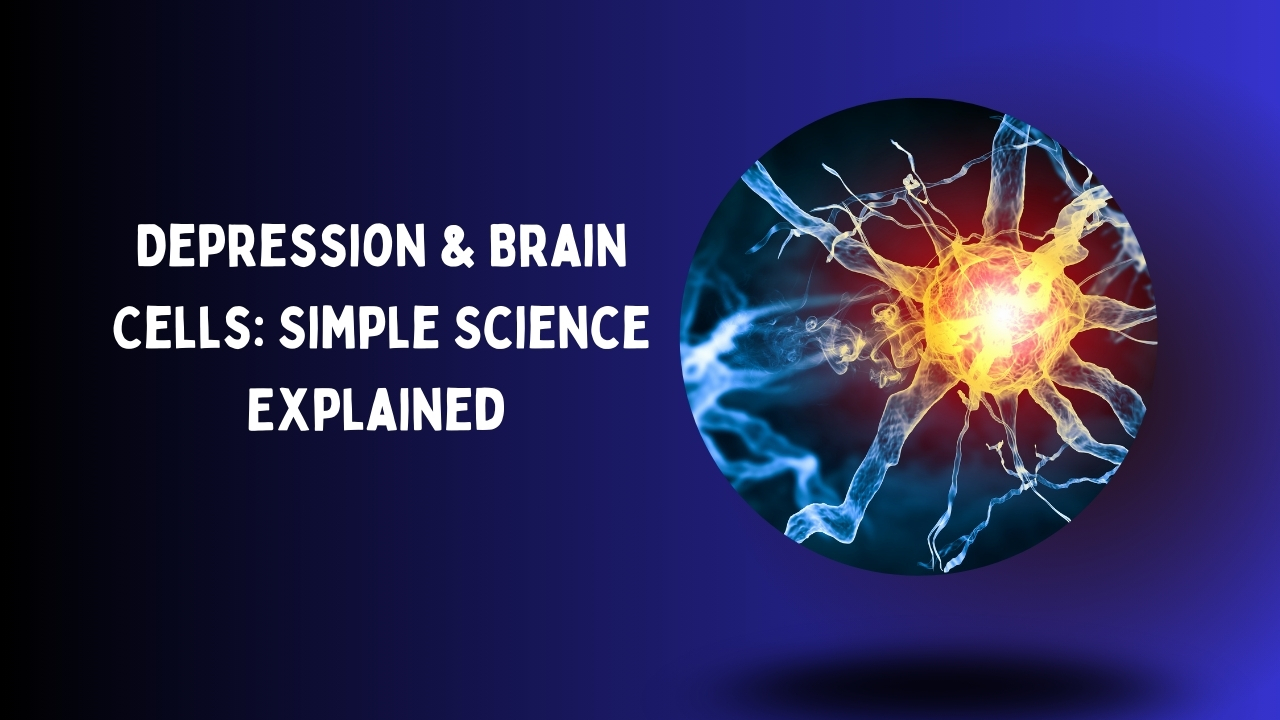
Imagine tiny helpers in your brain doing important jobs—like keeping things tidy and helping mood-states stay balanced. Scientists studied two special cell types: neurons (the brain’s messengers) and microglia (the brain’s little janitors). They found that in people with depression, both types can stop working as they should. The messengers send fewer mood-lifting signals, and the janitors get confused and ignore their cleanup duties. This mix-up could make someone feel stuck in sadness or stress. Neuroscience News
Researchers used real human brain samples to spot these differences. This is a big step forward—because now we know depression involves actual changes in brain cells, not just feelings or thoughts.
Why Brain Janitors Matter (Cool Bonus Info!)
Normally, microglia help protect your brain like guard dogs, cleaning up harmful stuff and keeping neurons healthy. But when they’re sleepy or overwhelmed, they don’t clean up properly—and that can make depression worse.
What This Means for Understanding Feelings
Depression is real—and it’s happening at a tiny cellular level, not just in thoughts.
Brains need helpers—tiny microglia need to be strong and active for our brains to stay healthy.
New treatments could help—if we find ways to make these brain cells work better again.
How Nuro Spark Helps You Understand This
At Nuro Spark, we teach practical mind skills that explain what's happening in your brain using easy stories and exercises—no jargon! For example:
We explain how neuron messages and microglia helpers work together.
We show how stress or sadness affects this balance.
And we guide you on ages-appropriate techniques, like talking through feelings or mindful pauses, which can help keep your brain cells happier and healthier.
In Simple Words
Depression isn’t just feeling sad—parts of your brain behave differently too. By understanding how these tiny helpers and messengers work, we can better support our mental health. Nuro Spark makes these complex ideas easy, and shows how everyday habits and thoughts can keep your brain strong.




.jpg)











.jpg)
.jpg)
.jpg)
.jpg)

.jpg)
.jpg)
.jpg)
.jpg)
.jpg)
.jpg)