Early Gut, Later Mind: How Childhood Microbiome Shapes Emotional Health
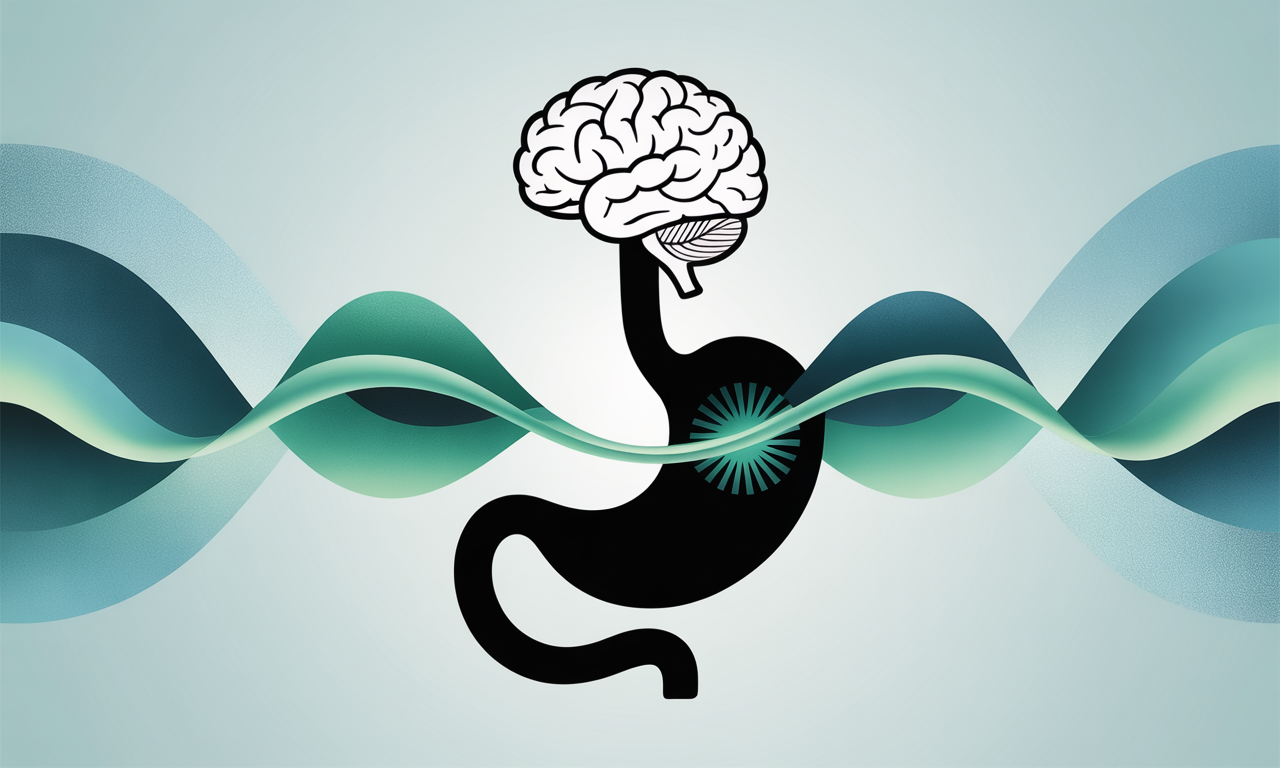
- New research into the gut-brain axis suggests that what happens in the toddler gut might echo years later in emotional and psychological health. Studies found that children whose gut microbiome at age 2 contained higher levels of certain bacteria (such as those in the Clostridiales order and Lachnospiraceae family) were more likely by age 7½ to show symptoms of anxiety or depression.
- The pathway appears to run from gut microbes → brain network connectivity → emotional regulation. In effect, early microbial balance is linked to how emotion-related brain circuits develop. In a sense, the gut is not simply a digestive organ — it’s part of a system that helps shape our capacity for mood, stress, and internal resilience.
For NuroSpark, this research speaks to a radically deeper principle: psychology isn’t just about talk and therapy—it’s also about biology, environment, and the earliest conditions of mind-body development. When we help people explore and heal their mind, we should also consider the physical and developmental systems that set the groundwork.
Some key take-aways for learners and practitioners in psychology:
- Holistic assessment matters: A person’s emotional challenges might trace back to early developmental or biological factors — not only life events.
- Prevention is possible: Supporting gut-health, nutrition, and early life environments may help reduce future risk of mood disorders.
- Integration of disciplines: Psychology education must integrate neuroscience, nutrition, and developmental biology—not stay siloed.
- Empathy expands: When we understand how early biology impacts mind-health, we deepen our empathy for clients and for ourselves.
At NuroSpark, our mission is to empower learners with both theory and real-world insight. This study reinforces that the mind we train, the emotions we explore, and the lives we aim to change are all connected—down to the bacteria in the gut.
As you grow with us, remember: your mind doesn’t just evolve, it is built from layers, interactions, and environments that started long before you were aware. Learning psychology means acknowledging that complexity, honouring it, and doing the work.
Let’s keep lighting the path from biology to behaviour, from early start to later strength.

.jpg)

.jpg)




.jpg)
.jpg)
.jpg)
.jpg)

.jpg)
.jpg)
.jpg)
.jpg)
.jpg)
.jpg)