Healthy Habits Could Make Your Brain Up to 8 Years Younger — New Research Highlights Lifestyle Power
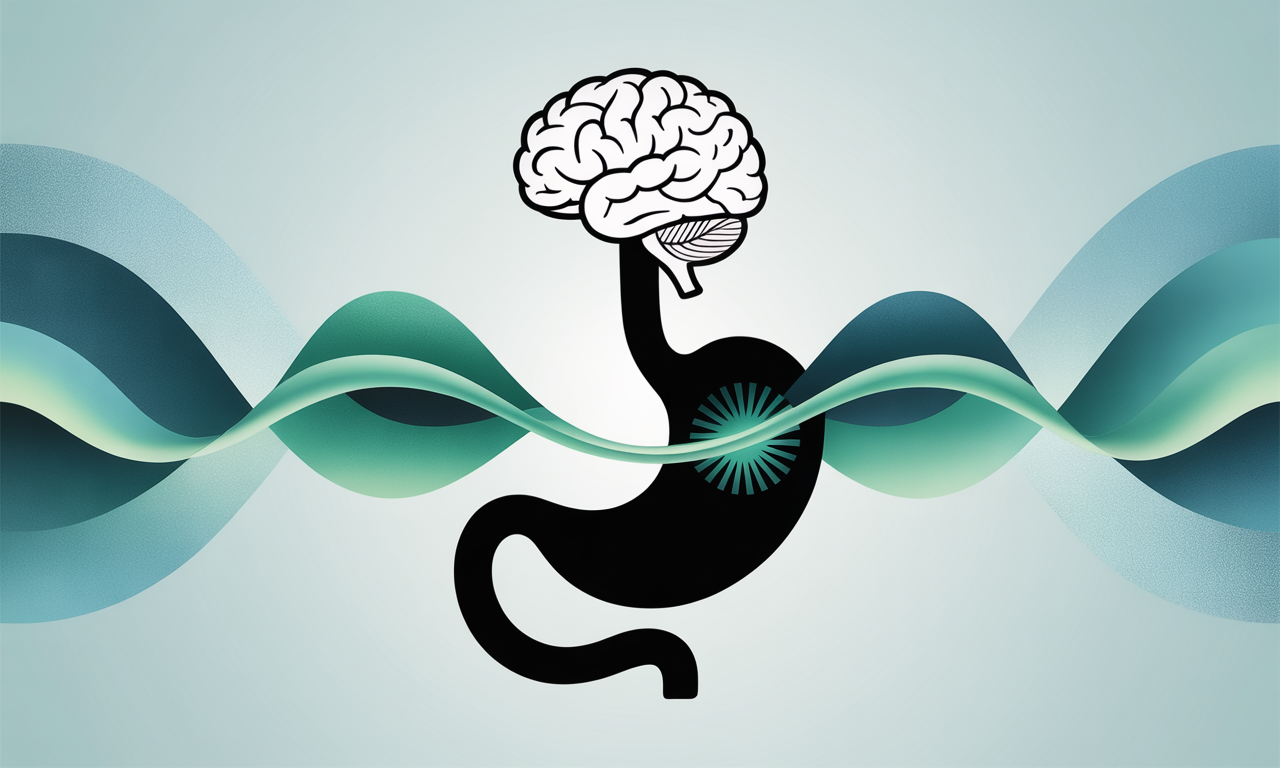
In a compelling new study, researchers at the University of Florida have revealed that daily lifestyle choices may significantly slow brain aging — in some cases making the brain appear up to eight years “younger” than a person’s chronological age. Neuroscience News
The research tracked 128 middle-aged to older adults, many dealing with chronic musculoskeletal pain, over a two-year period. Using MRI scans analyzed through advanced machine learning methods, scientists calculated each participant’s “brain age” — a metric reflecting how “old” the brain appears relative to its owner’s real age. Neuroscience News
Key Findings: What Works to Slow Brain Aging
The study identified several protective factors that were strongly associated with a younger-acting brain:
- Optimism & Positive Outlook
Thinking in hopeful, constructive terms seemed to buffer against brain aging. Neuroscience News - Restorative Sleep
Quality sleep emerged as one of the most critical elements in maintaining brain health. Neuroscience News - Social Support & Connectivity
Strong relationships and community ties were linked with a reduced brain-age gap. Neuroscience News - Stress Management
Approaches that mitigate chronic stress—mindfulness, coping strategies, relaxation—counteracted accelerated aging. Neuroscience News - Participants who scored highly in these protective factors had MRI-measured brains as much as eight years younger than their chronological age—and their brains continued to age more slowly over the two-year study. Neuroscience News
What This Means for Everyone — Not Just Those with Pain
- Although the study focused on individuals with chronic pain, its conclusions resonate more broadly: lifestyle is brain medicine. Neuroscience News
- Even for people not experiencing chronic conditions, adopting habits like better sleep, positive thinking, strong social ties, and good stress regulation can offer meaningful neurobiological benefits.
- As the researchers put it, “You can learn how to perceive stress differently. Poor sleep is very treatable. Optimism can be practiced.
Why This Matters for NuroSpark & Our Community
At NuroSpark, our mission is to bridge psychology, wellness, and everyday life. This research reinforces the power we always emphasize: small, consistent habits can lead to huge change.
- Here’s how we see this playing out:
- In our courses and mental wellness programs, we’ll place even more emphasis on holistic brain health — not just therapy or counseling, but nurturing optimism, relationships, sleep, and stress resilience.
- For our learners (aspiring psychologists, counselors, coaches), this gives you stronger grounding to support clients in preventive mental health—not just reactive treatment.
- It validates that mental health work isn't just about addressing symptoms; it's about cultivating lifestyles that protect and enrich the brain across the lifespan.
Tips to Apply These Findings Now
- Want to start “rewinding” your brain’s age? Here are some actionable steps:
- Stick to consistent, good-quality sleep hygiene
- Practice daily gratitude or positive reflection
- Maintain close social connections — family, friends, community groups
- Learn and apply stress regulation techniques (breathing, mindfulness, cognitive reframing)
- If you enjoyed this insight, we’ll be expanding on it in our next newsletter with an action guide for brain health and a downloadable checklist you can use personally or with clients.
- Stay curious. Keep learning. Let’s build a mind that grows younger with time — together.

.jpg)



.jpg)











.jpg)
.jpg)
.jpg)
.jpg)

.jpg)
.jpg)
.jpg)
.jpg)
.jpg)
.jpg)