Redefining Possibility: How AI’s Protein Design Breakthrough Shapes the Future of Learning & the Mind
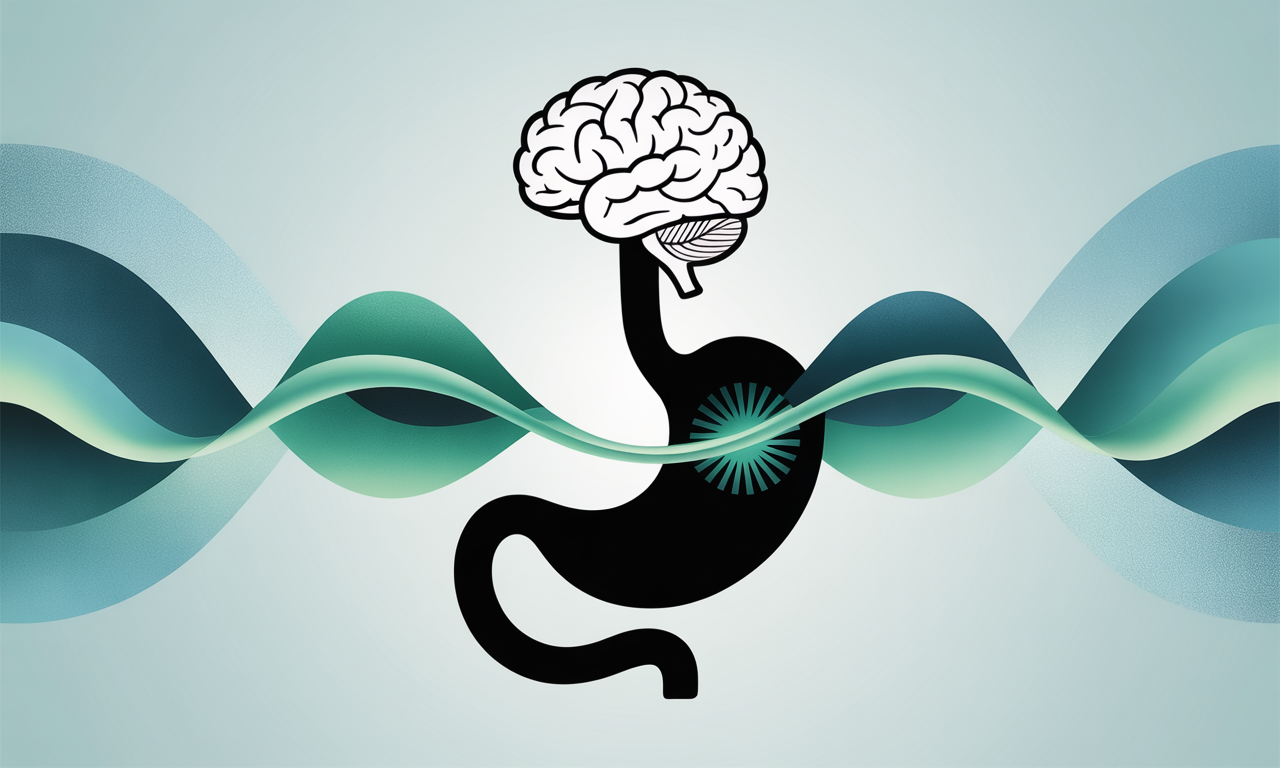
A recent advance in artificial intelligence has achieved what was once thought nearly impossible: designing “shape-shifting” proteins — the kind that don’t settle into a fixed structure — using new machine-learning combined with physics-based simulation. These proteins, known as intrinsically disordered proteins (IDPs), account for up to 30% of all human-expressed proteins and play crucial roles in sensing, signalling, and mental-health disorders. Neuroscience News
For NuroSpark, which bridges psychology, neuroscience and personal development, this isn’t just a scientific milestone. It’s a powerful metaphor for how we teach transformation — disruption isn’t a bug, it’s the signal for growth.
What the Study Found
- Traditional AI tools like AlphaFold could predict structured proteins well — but many proteins remain intrinsically disordered, resisting fixed form and always in flux.
- The new approach blends automatic differentiation (a deep-learning technique) with physics-simulated molecular dynamics, allowing researchers to generate new sequences tailored to desired behaviours.
- The implications are far-reaching: everything from synthetic biology, drug discovery (including neurological conditions), to sensors or engineered molecules.
- At its core: the message that structure and function can be designed for change — echoing how minds adapt, grow, heal.
Why It Matters for Psychology, Development & the NuroSpark Mission
- Adaptability over static state: Just as IDPs don’t “lock” into one form, our minds don’t stay fixed — growth means transition, not perfection.
- Dynamic potential: Designing proteins with purposeful change invites us to believe that brains (and behaviours) can be shaped. For courses in counselling, therapy or self-leadership, that’s a profound foundation.
- Interdisciplinary insight: This research lies at the intersection of AI, neuroscience and biology — and psychology education flourishes when we draw from adjacent frontiers to inform mind-work.
- Skill for the future: For learners, understanding how change happens — whether in proteins or thought patterns — becomes a key professional and personal skill.
- Message of hope: In fields often focused on disorders, this shows the future is about designing change, not just treating problems. Psychology becomes less reactive and more generative.
What We at NuroSpark Are Doing
- We will integrate future-mind science like this into our curriculum: modules on brain-plasticity, neural adaptation, and mindset engineering.
- We’ll host a live session: “What AI’s protein breakthrough teaches us about human change.”
- We’ll offer learners a downloadable infographic: “Adaptation in Biology — Adaptation in Mind”, showing parallels between emerging science and psychology.
- We will emphasize: whether you’re training for personal growth, counselling practice or career change — you’re learning a discipline of designing transformation, not merely delivering service.
Final Thought
In a world where even the building blocks of life can be re-imagined through AI, the human mind remains our most intriguing frontier. At NuroSpark, we’re committed to turning that frontier into a journey of awareness, skill and impact. As science shows, adaptation isn’t optional — it’s possible.
Let’s light the way forward.


.jpg)











.jpg)
.jpg)
.jpg)
.jpg)

.jpg)
.jpg)
.jpg)
.jpg)
.jpg)
.jpg)