

𝐖𝐡𝐞𝐧 𝐒𝐨𝐜𝐢𝐞𝐭𝐲 𝐁𝐞𝐜𝐨𝐦𝐞𝐬 𝐭𝐡𝐞 𝐉𝐮𝐝𝐠𝐞 𝐁𝐞𝐟𝐨𝐫𝐞 𝐭𝐡𝐞 𝐓𝐫𝐮𝐭𝐡 𝐈𝐬 𝐊𝐧𝐨𝐰𝐧
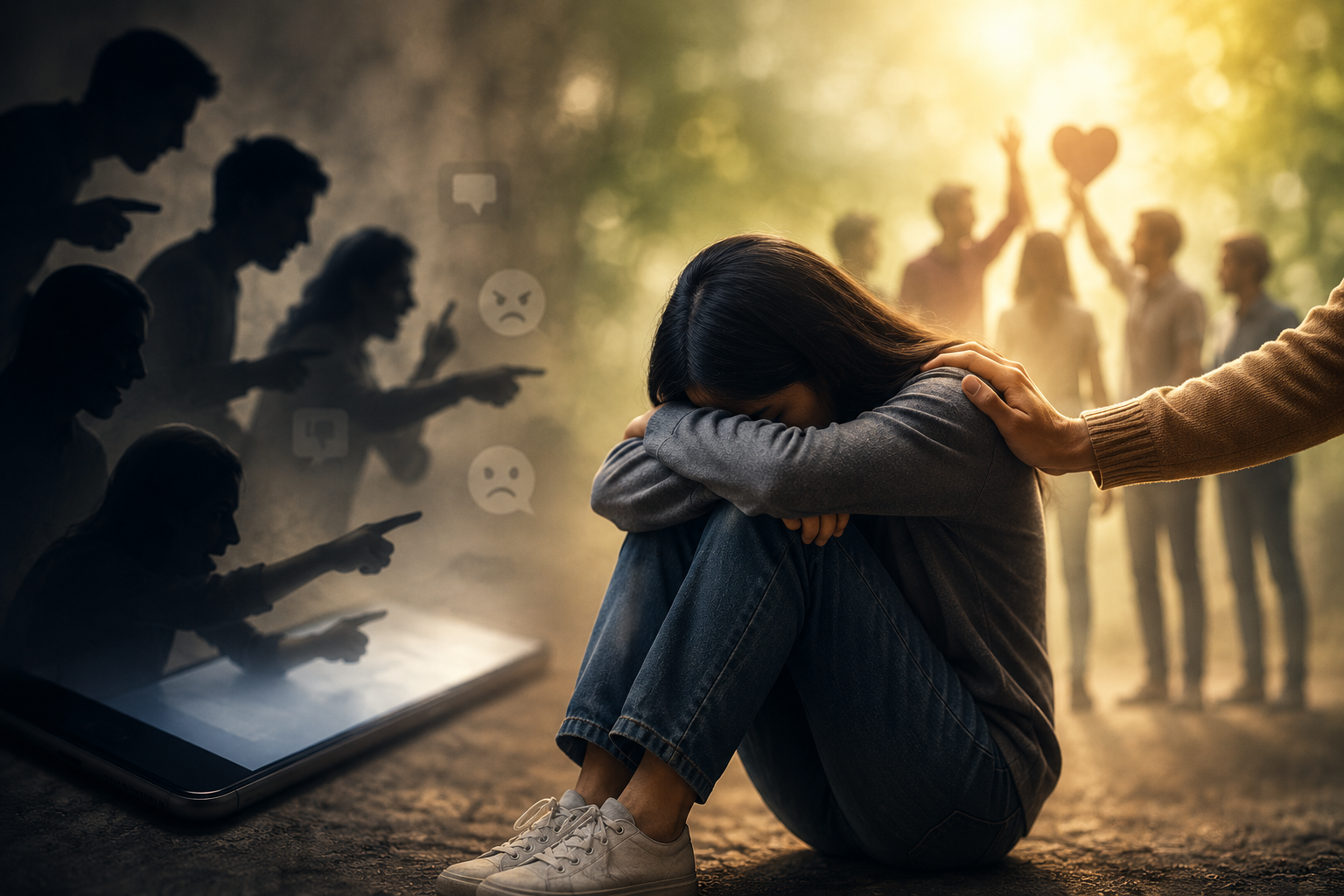
A few months ago, India witnessed a tragic incident in Kerala where a viral social media video led to intense public scrutiny of an individual, who later died by suicide. The case reignited a nationwide debate on online shaming, due process, and mental health. The legal aspects are still matters for the authorities, but the psychological lessons are already clear.
As psychologists, educators, parents, HR professionals, and responsible citizens, we must ask ourselves:
ʜᴏᴡ ᴍᴀɴʏ ʟɪᴠᴇs ᴀʀᴇ ᴅᴀᴍᴀɢᴇᴅ ɴᴏᴛ ᴏɴʟʏ ʙʏ ᴇᴠᴇɴᴛs ʙᴜᴛ ʙʏ ᴛʜᴇ ᴡᴀʏ sᴏᴄɪᴇᴛʏ ʀᴇᴀᴄᴛs ᴛᴏ ᴛʜᴇᴍ?
𝐏𝐬𝐲𝐜𝐡𝐨𝐥𝐨𝐠𝐲 𝐭𝐞𝐚𝐜𝐡𝐞𝐬 𝐮𝐬 𝐭𝐡𝐚𝐭:
A person's emotional resilience has limits.
Public humiliation activates the same brain regions associated with physical pain.
Shame, isolation, and hopelessness can push vulnerable individuals into psychological crisis.
Empathy should never be replaced by instant judgment.
Imagine if psychological awareness had been a part of our digital culture.
Imagine if people paused before sharing, commenting, trolling, or labeling someone.
Imagine if emotional first aid was as common as first aid.
A single moment of empathy can prevent a lifetime of regret.
At Nurospark, we believe psychology is not just a subject for therapists, it's a life skill for every individual. If we want a healthier society, we must build emotionally intelligent families, schools, workplaces, and online communities.
Before you share someone's worst moment, ask yourself:
"Am I helping solve a problem, or am I becoming part of it?"
Because behind every trending story is a human mind carrying emotions we cannot see.
Recent News

Extreme Heat Makes People More Negative
Aug 23, 2025
📰 New Research Reveals How Stress Styles Shape Brain a...
Sep 01, 2025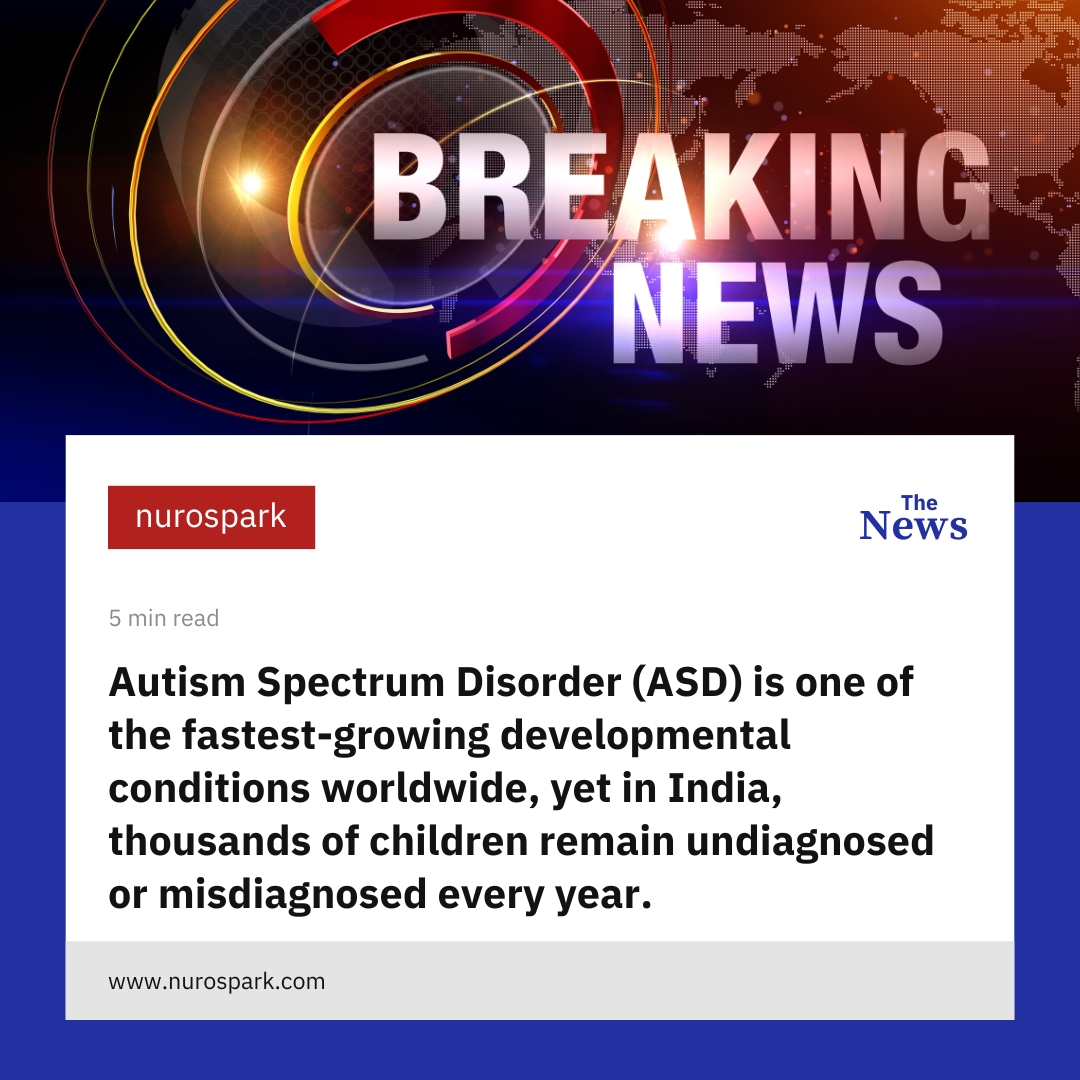
𝐔𝐧𝐝𝐢𝐚𝐠𝐧𝐨𝐬𝐞𝐝 𝐀𝐮𝐭𝐢𝐬𝐦 – 𝐈𝐧𝐝𝐢𝐚’𝐬 𝐒𝐢𝐥𝐞𝐧𝐭 𝐂𝐡𝐚𝐥𝐥𝐞𝐧𝐠𝐞
Sep 01, 2025.jpg)
The Hidden Power of Sensitivity: How Highly Sensitive P...
Sep 01, 2025

.jpeg)




.jpeg)

.jpeg)






.jpg)
.jpg)
.jpg)
.jpg)

.jpg)
.jpg)
.jpg)
.jpg)
.jpg)
.jpg)